Discover the rich traditions, customs, and activities of China’s Lantern Festival, a vibrant celebration of family and culture.
Introduction
The Lantern Festival, celebrated on the 15th day of the first lunar month, marks the end of the Chinese New Year festivities. In 2025, the Lantern Festival falls on February 12. A celebration filled with joyful customs and rich cultural significance, it is a time for families to gather, enjoy festive food, and partake in activities that have been passed down for over 2,000 years. But what makes this festival so special? Let's dive into the history, traditions, and fun-filled activities that make the Lantern Festival a cherished occasion in China.
The Origins and History of Lantern Festival
The Lantern Festival has a history that dates back over two millennia, originating during the Han Dynasty (206 BC - 220 AD). At its core, the festival was established to celebrate the first full moon of the lunar new year and to mark the beginning of the year's first month with various ceremonies. Its roots are closely tied to Buddhism, as it was a time to honor the Buddha by lighting lanterns, a practice encouraged by Emperor Ming of the Han Dynasty.
As time passed, the festival evolved and became more of a national celebration, especially during the Tang (618–907) and Song (960–1279) dynasties. With the inclusion of cultural and entertaining activities, it became one of the most anticipated festivals in China. Over the centuries, the Lantern Festival has developed a wealth of customs that are both fun and meaningful for people of all ages.
Key Customs and Activities
1. Lantern Displays: A Dazzling Sight
The most iconic aspect of the Lantern Festival is the lantern displays. Today, streets, parks, and homes are adorned with beautifully crafted lanterns in all shapes and sizes, from animals to flowers and mythical creatures. The tradition of lighting lanterns stems from the Han Dynasty, where they were first lit in the emperor’s palace to honor Buddha. Over time, this practice spread throughout China and became a festive activity enjoyed by the public. During the festival, visitors flock to lantern exhibitions in parks, where intricate displays showcase China's folk culture and artistry. The colorful lanterns symbolize the hope for a bright future and bring a sense of joy to everyone who sees them.
2. Guessing Lantern Riddles: A Fun Challenge
One of the most entertaining traditions of the Lantern Festival is the practice of guessing lantern riddles. This tradition began during the Song Dynasty, and it involves writing riddles on slips of paper, which are then attached to lanterns. People gather around, read the riddles, and try to solve them. Those who answer correctly are rewarded with small prizes. This activity not only adds an element of excitement to the celebration, but it also encourages social interaction and mental stimulation. It’s a favorite pastime for people of all ages and is often a part of larger public events, where families and friends gather together to test their wits.
3. Folk Dances: A Celebration of Tradition
The Lantern Festival is also a time for lively performances, including traditional folk dances like the Lion Dance and the Stilt Walking Dance. The Lion Dance, believed to have originated during the Three Kingdoms Period (220-280 AD), is performed by a team of dancers inside a lion costume. In northern China, the lion dance emphasizes acrobatic skills, while in the southern regions, the focus is on mimicking the movements of a real lion. These vibrant performances bring energy to the celebration and are thought to bring good luck and drive away evil spirits.
Stilt walking is another beloved folk art performed during the Lantern Festival. Originating from the Spring and Autumn Period (770–476 BC), this art involves performers walking on tall stilts while dressed as characters from Chinese folklore. The performances are often humorous and provide an entertaining spectacle for onlookers, especially children.
4. Eating Yuanxiao (Tangyuan): A Symbol of Reunion
No Lantern Festival is complete without eating Yuanxiao (also known as tangyuan), a type of dumpling made from glutinous rice flour and filled with sweet fillings like sesame paste, red bean paste, or sugar. Yuanxiao is round in shape, symbolizing unity and completeness. It’s a dish that represents family reunion and harmony, making it the perfect food to enjoy with loved ones during the festival. In different regions of China, people prepare Yuanxiao in various ways, whether boiled, fried, or steamed, but the symbolism remains the same.
The tradition of eating Yuanxiao stems from the belief that consuming these round dumplings brings good luck, prosperity, and happiness for the year ahead. Families gather to make and enjoy Yuanxiao together, reflecting the spirit of unity that the Lantern Festival celebrates.
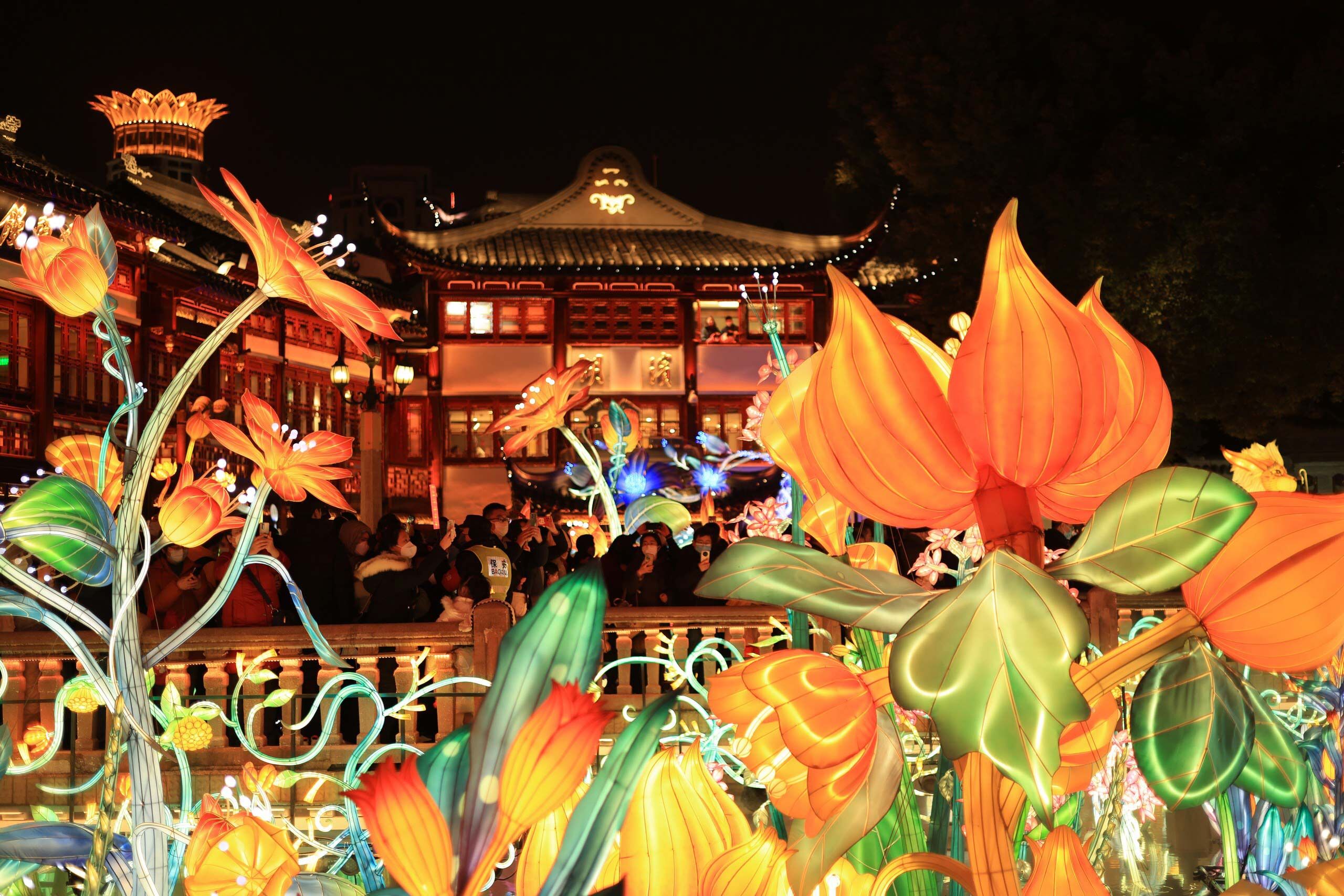
festive lantern
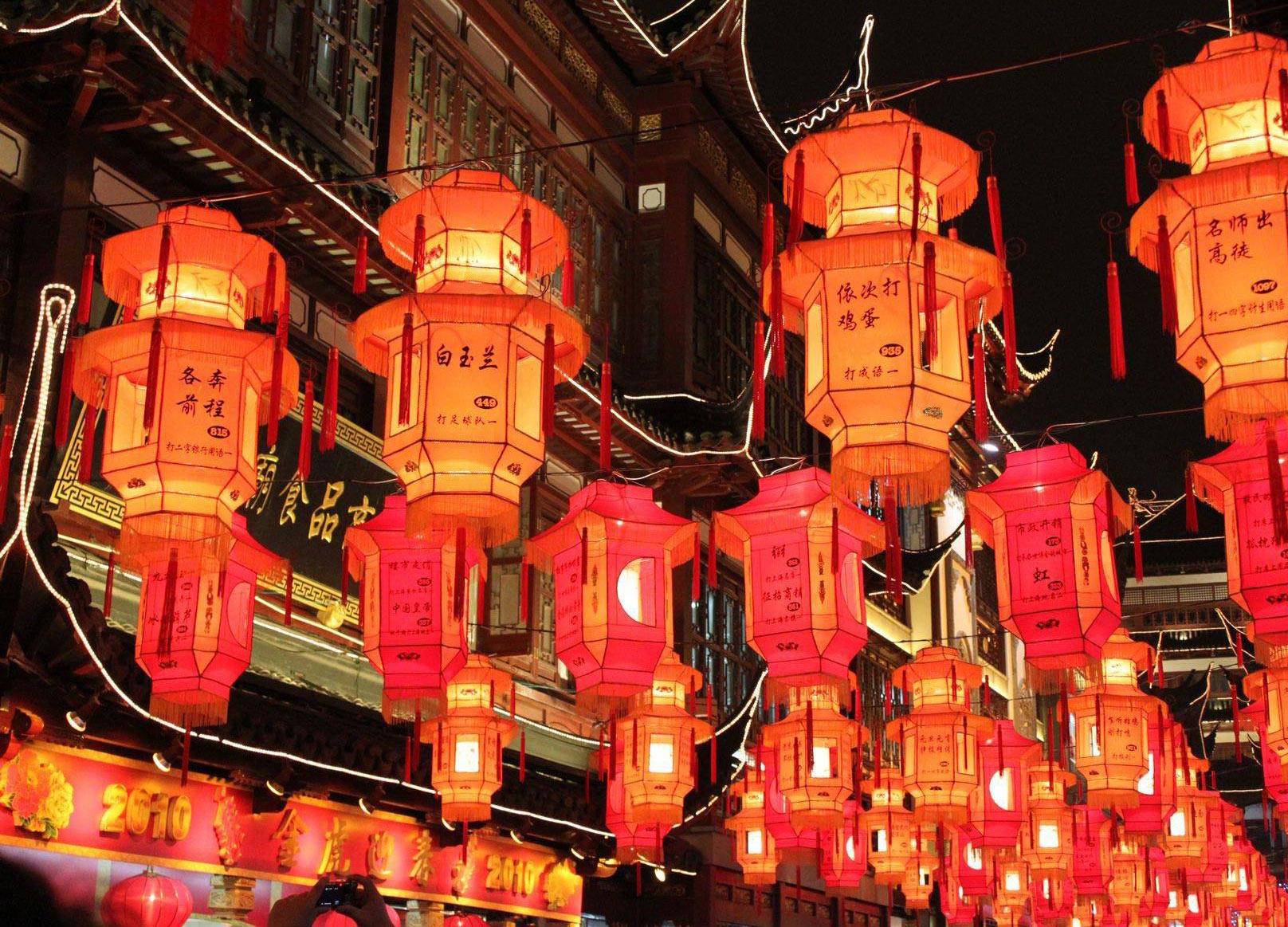
lantern festival
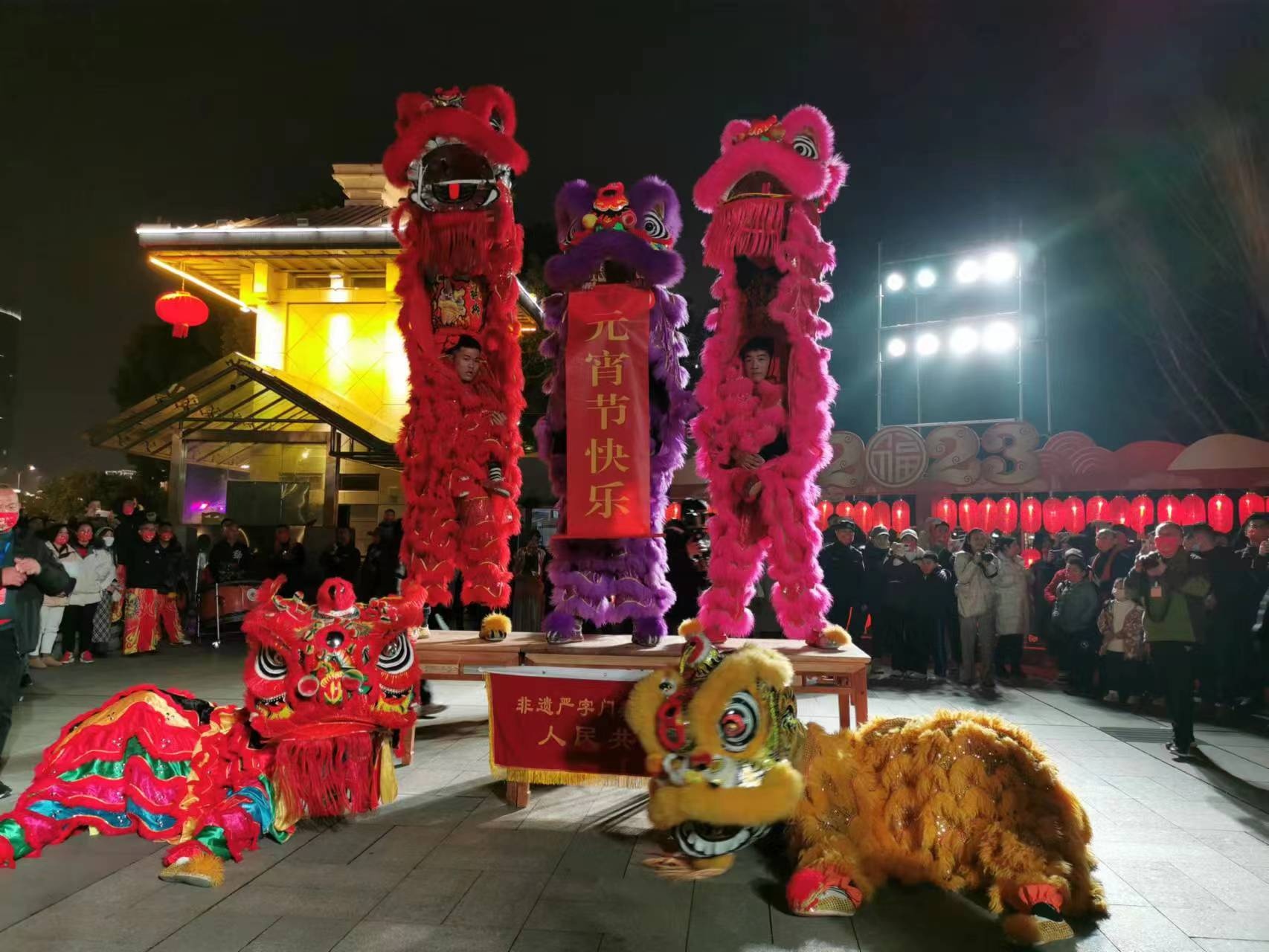
lion dance
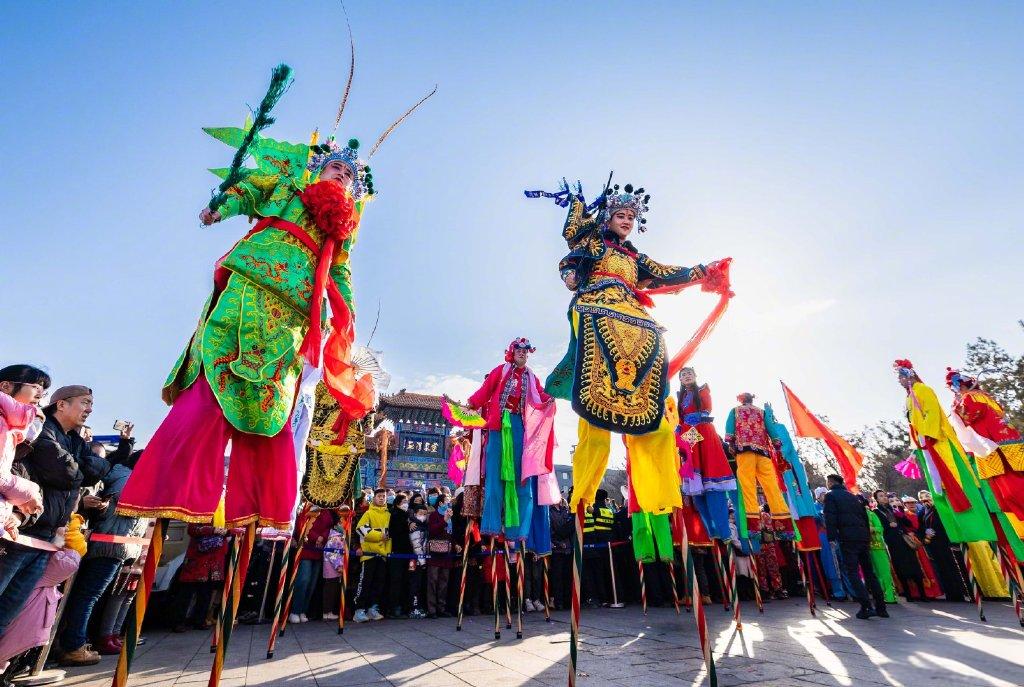
walk on stilts
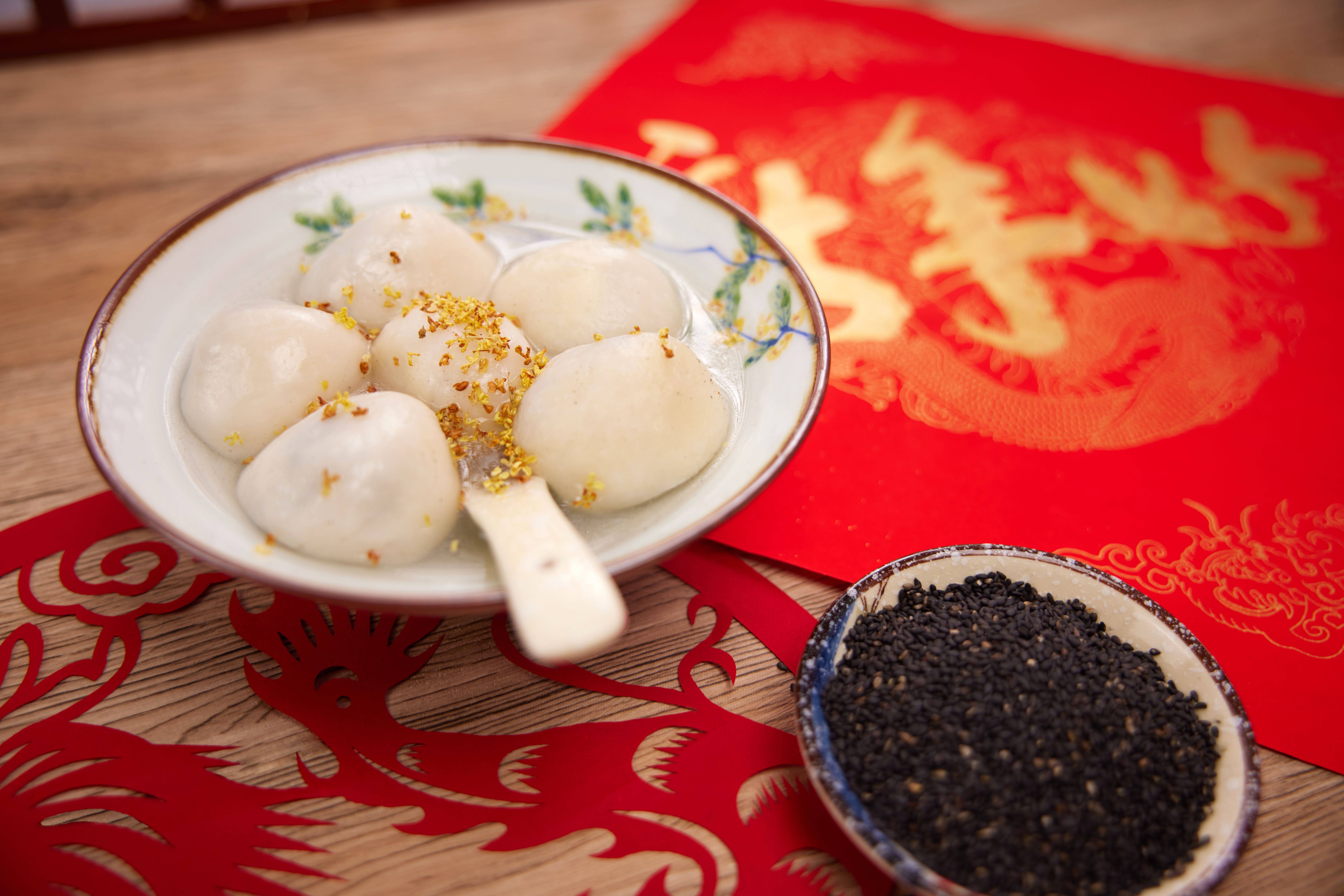
rice dumpling(Yuanxiao)
Try to book a travel
Lantern Festival and Its Cultural Significance
Beyond the exciting activities, the Lantern Festival holds deep cultural and familial significance. It’s a time when people come together to celebrate the fullness of the moon and express their hopes for the future. The full moon is seen as a symbol of completeness and perfection, which is why the festival emphasizes themes of family reunion and harmony.
Additionally, the Lantern Festival is often referred to as “Chinese Valentine’s Day,” especially in rural areas. In the past, young people would gather at lantern displays and use the occasion as an opportunity to meet new people and exchange romantic gestures. This aspect of the festival highlights the importance of relationships and connections, making it a joyful time for couples and singles alike.
Modern Celebrations and Global Impact
Today, the Lantern Festival is not only celebrated across China but also in various parts of the world where Chinese communities reside. Major cities like New York, London, and Sydney host public Lantern Festival events, showcasing traditional lantern displays and cultural performances to global audiences. With the increasing influence of Chinese culture worldwide, the Lantern Festival has become an international celebration, uniting people from different backgrounds in a shared appreciation for this vibrant tradition.
In China, the festival has adapted to modern times, with some cities organizing large-scale light shows and firework displays. While the essence of the celebration remains deeply rooted in tradition, it continues to evolve, drawing in new generations and audiences.
Conclusion
The Lantern Festival is a celebration of light, unity, and joy. From the dazzling lantern displays to the fun of guessing riddles and the warmth of eating Yuanxiao, it is a festival that encapsulates the rich cultural heritage of China. For visitors to China, experiencing the Lantern Festival offers a unique opportunity to immerse themselves in one of the country’s most cherished traditions. Whether you’re marveling at the beauty of the lanterns, engaging in the lively performances, or sharing a meal with loved ones, the Lantern Festival promises to be a memorable and meaningful experience.